Where to Hike with Your Leashed Dog: Trails That Welcome Pets
Author:Arooba
Released:November 5, 2025
Looking for dog-friendly hikes where your furry friend can join the adventure? In 2025, about 94 million U.S. households - roughly 71% - own a pet, according to the American Pet Products Association’s State of the Industry Report, showing many families want to include their pets in outdoor activities. This guide shows you where to hike with your leashed dog and what to bring.
Why Dogs Love the Trail
Dogs need exercise just like humans do. A good hike keeps them healthy and happy while strengthening the bond between you and your pet. Hiking offers your dog new sights, sounds, and smells that keep their minds sharp. Plus, tired dogs are well-behaved dogs.
Acadia National Park, Maine
Best for: All dog sizes, moderate-to-high energy dogs, families
Not suitable for: Dogs sensitive to cold weather, extremely crowded areas in summer
Over 100 miles of dog-friendly trails make this a top destination. Leashed pets are allowed on most carriage roads with beautiful coastal views. The flat, well-maintained carriage roads work perfectly for small dogs and seniors, while more challenging trails suit athletic breeds. Summer brings heavy crowds, which can overwhelm anxious dogs. Visit in the fall for fewer people and stunning foliage.

Shenandoah National Park, Virginia
Best for: High-energy dogs, larger breeds, experienced hikers
Not suitable for: Small dogs on rugged trails, hot summer days (limited shade)
Dogs are allowed on 480 out of 500 miles of trails. Skyline Drive offers stunning views with multiple difficulty levels. The steep, rocky terrain on many trails challenges small or short-legged breeds like Corgis or Dachshunds. This park excels for athletic dogs who can handle elevation changes. The hot, humid Virginia summers can exhaust dogs quickly, so plan spring or fall visits.
Runyon Canyon Park, Los Angeles
Best for: Social dogs, off-leash training, urban dwellers
Not suitable for: Dog-reactive pets, extremely hot days, dogs with joint issues
This urban oasis features off-leash areas and multiple trail options, from easy to moderate. The steep sections with loose dirt can be tough on older dogs or those with arthritis. Social butterflies thrive here with constant dog encounters, but leash-reactive pets will struggle. Summer temperatures can spike dangerously, so early morning visits are essential. The easy lower loop works for all sizes, while the summit climb suits fi, medium-to-large dogs.
Cuyahoga Valley National Park, Ohio
Best for: First-time hiking dogs, all sizes, families with children
Not suitable for: Dogs needing off-leash time, extremely cold-sensitive breeds
Free admission year-round and proximity to major cities make this accessible. The Ledges Trail features unique rock formations on relatively flat terrain. Gentle paths suit puppies building stamina and senior dogs taking it easy. Ohio winters can be harsh for thin-coated breeds like Greyhounds. The park's moderate crowds and wide trails reduce stress for nervous dogs learning trail etiquette.
Wawona Meadow Loop, Yosemite
Best for: Beginner hikers, small dogs, older dogs, all energy levels
Not suitable for: Dogs wanting more challenging terrain, off-leash enthusiasts
This gentle 2.25-mile loop has minimal elevation gain and well-maintained paths. Perfect for introducing anxious dogs to hiking or exercising senior pets without strain. The flat terrain accommodates small breeds and dogs with mobility issues. However, adventurous high-energy dogs may find it boring. Summer heat can be intense, so bring extra water. The easy access and short distance make it ideal for testing if your dog enjoys hiking.
Trail Etiquette and Safety
Most hiking trails require dogs to stay on a six-foot leash. This rule isn’t just about courtesy — it helps prevent wildlife encounters, trail conflicts, and injuries on narrow paths. Keep your dog beside or slightly behind you, especially on steep sections or crowded areas.
Always clean up after your dog and pack waste out if bins aren’t available. Letting dogs wander off-trail damages vegetation and disturbs nesting animals, even if it seems harmless. When approaching other hikers, cyclists, or dogs, shorten the leash and ask before allowing any interaction. Not every trail user is comfortable around dogs.
If you need to stop for a break, step off to the side to allow faster hikers to pass. On shared-use trails, yield to uphill hikers and horses, keeping your dog calm and close.
Essential Hiking Gear
The right gear makes hikes safer and more enjoyable. At a minimum, bring:
A sturdy six-foot leash (avoid retractable leashes on trails)
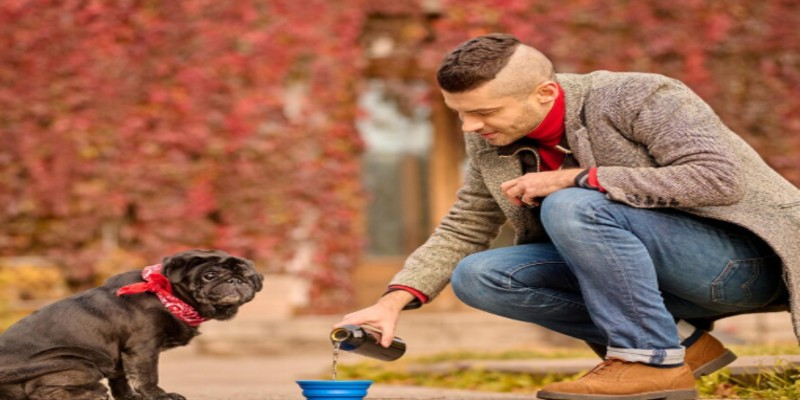
Collapsible water bowl
More water than you think you’ll need
Waste bags
A basic first aid kit
ID tags with current contact information
For longer or more challenging hikes, consider extra protection and comfort:
A dog backpack (only if your dog is conditioned and the pack is properly fitted)
Paw protection boots for rocky or hot terrain
A cooling vest for warm weather hikes
Tick removal tool and pet-safe insect repellent
Avoid overloading your dog. Packs should never exceed 10–15% of their body weight.
On-Trail Safety Tips
Before heading out, check the weather forecast and trail conditions. Make sure your dog’s vaccinations and flea/tick prevention are up to date. Start with shorter hikes to gauge stamina and terrain tolerance.
During the hike:
Offer water every 30 minutes, more often in hot weather
Watch for fatigue: lagging, heavy panting, or frequent stopping
Check paws for cuts, cracks, or embedded thorns
Take shaded breaks when possible
After the hike, inspect your dog thoroughly for ticks, burrs, and scratches. Rinse or wipe down paws to remove dirt and trail chemicals, then allow time for proper rest.
Planning a Dog-Friendly Hiking Trip
Research trail distance, elevation gain, difficulty, and recent reviews. Dog policies vary widely, even within the same park system, so always verify leash rules and restrictions.
Pack twice as much water as expected, plus snacks for both you and your dog. In warmer months, start early in the morning to avoid heat-related risks.
Skip trails with ladders, metal grates, scorching pavement, dense crowds, or wildlife-sensitive zones. If a trail clearly states “no dogs,” respect the rule - it protects both your pet and the environment.
Get Your Pup Trail-Ready
Build stamina gradually. Start with neighborhood walks, then move to short, easy trails. Increase distance and elevation over time while monitoring recovery. Some dogs adapt quickly, while others need a slower progression. Let your dog set the pace - a safe hike is always better than a rushed one.
Your Next Adventure Awaits
Hiking with your leashed pet transforms a simple walk into an unforgettable adventure. With careful planning, the right gear, and adherence to trail rules, every hike can be safe and enjoyable. Start with beginner-friendly trails, gradually increase difficulty, and always monitor your dog's comfort. Your dog's wagging tail will make every mile worth it.
Related Posts

Cat Body Language Guide: Read Your Cat Like A Pro

Homemade Cat Wand Toy Ideas That Keep Cats Engaged

Urban Dog Walking Made Easy: Organize, Gear Up, and Socialize

Why Your Indoor Cat Needs A Window Perch For Mental Stimulation

How to Help Your Pet Lose Weight Safely and Keep It Off